Advanced Search
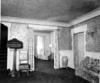
The Carolina Theatre opened in 1927 on the corner of North Tryon and Sixth Streets. With a seating capacity of 1,800 and beautiful architectural and decorative features, it remained popular entertaintment venue for many years.
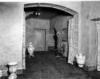
The Carolina Theatre opened in 1927 on the corner of North Tryon and Sixth Streets. With a seating capacity of 1,800 and beautiful architectural and decorative features, it remained popular entertaintment venue for many years.
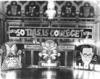
So This is College was released in 1929.The Carolina Theatre opened in 1927 on the corner of North Tryon and Sixth Streets. With a seating capacity of 1,800 and beautiful architectural and decorative features, it remained a popular entertaintment venue for many years.
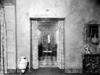
The Carolina Theatre opened in 1927 on the corner of North Tryon and Sixth Streets. With a seating capacity of 1,800 and beautiful architectural and decorative features, it remained popular entertaintment venue for many years.
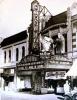
Parlor Bedroom Bath` with Buster Keaton was released in 1931.The Carolina Theatre opened in 1927 on the corner of North Tryon and Sixth Streets. With a seating capacity of 1,800 and beautiful architectural and decorative features, it remained a popular entertainment venue for many years.
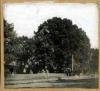
The Osborne Oak was located at West Trade and Graham Street. It was more than a 100 years old when this photograph was taken. The home belonged to Dr. Sam Hayes who married an Osborne.
Physical Description: 3x3 mounted print35 mm negative

Freedom Park is located off of East Boulevard in Myers Park. It opened in 1948 and was named in honor of Charlotte's World War II soldiers.

The postcard is misleading as there is no Lake Catawba in Mecklenburg County. It is in fact a portion of the Catawba River.

The postcard is misleading as there is no Lake Catawba in Mecklenburg County. It is in fact a portion of the Catawba River.
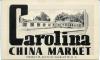
G.W. MacKinnon owned and operated the Carolina China Market which was located on Highway 29 in Charlotte. It offerred the largest selection of fine china, crystal, pottery and other novelty items. The store carried 200 patterns of earthenware and china.
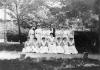
At the turn-of-the-century, very few women work outside the home. The traditional jobs for professional women are teaching, nursing, and secretarial work. The majority of working class women in Charlotte work in a laundry or in textile mills.
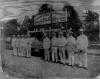
In the early 1900s, there were twenty labor unions in Charlotte. One hundred years later there are only twelve unions.
American Federation of Labor Central Labor Union
Bartender’s League No. 211


The Scots Irish settlers established Presbyterian churches throughout the counties in the 1700s. At the turn-of-the-century, there were two Presbyterian churches in Charlotte in uptown Charlotte.
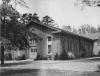
Sugar or Sugaw Creek Presbyterian Church is one of the oldest churches in Mecklenburg County. It was founded in 1755. (This building was built in 1870.)

Although there are very fine institutions of learning for young women throughout the state, most of the private schools are not designed to prepare young women for a profession other than teaching or nursing.
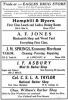
Advertisements for black-owned businesses, 1915. From: Colored Charlotte, courtesy of QUEENS COLLEGE LIBRARY.
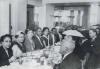
A Medical Auxiliary banquet to honor Charlotte's black doctors, 1945.
MILDRED ALRIDGE.
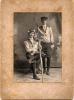
Over a 100 years ago, Charlotte held it’s own Renaissance Festival at the Charlotte Fairgrounds.
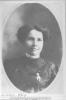
Anna Mason Stroud Douglas, wife of the Reverend William R. Douglas, pastor of the A.M.E. Zion Methodist Church. He oversaw the construction of the 1911 church on 7th Street. The couple resided at 410 North Myrers Street in 1912.